All musicians, music lovers and enthusiasts of antique instruments have dreamed at least once in their lives of discovering, at the back of an attic or in the aisles of a flea market, a violin bearing a Stradivarius label. However, just as the bottle does not make the wine, the label does not necessarily make the Stradivarius! Before getting your hopes up, know that the majority of violins bearing a Stradivarius label are not authentic.
Owning a “Strad” is often the Holy Grail for violin enthusiasts and musicians, but also for art dealers. In this article, we give you a few keys to find out whether your instrument is a genuine Stradivarius.
What is a Stradivarius?
A quick reminder for the newcomers among our readers. A Stradivarius is one of the violins made in the workshop of Antonio Stradivari (born in 1644, died in 1737), in Cremona, Italy. He made close to a thousand of them. Since then, around 700 examples have resurfaced over time, some in a truly incredible state of preservation. Each of these instruments is credited with exceptional quality and tone, which explains the soaring prices and the relentless quest of some collectors.

What price does a genuine Stradivarius sell for?
For the curious, here is a list of the most expensive Stradivarius violins and their sale or appraisal price:
- The “Kreutzer” sold for $1.5 million in 1998
- The “Red Mendelssohn” sold for $1.7 million in 1990
- The “Lady Tennant-Lafont” sold for $2.03 million in 2005
- The “Baron von der Leyen” sold for $2.59 million in 2012
- The “Solomon ex-Lambert” sold for $2.7 million in 2007
- The “Hammer” sold for $3.54 million in 2006
- The “Molitor” sold for $3.6 million in 2010
- The “Joachim Ma” sold for $11.3 million in 2025
- The “Da Vinci” sold for $15.34 million in 2022
- The “Lady Blunt” sold for $15.9 million in 2011
- The “Messiah” valued at more than $20 million
- The “Macdonald” valued at $45 million
It’s certainly the stuff of dreams!
Can a genuine Stradivarius be recognised by its label?
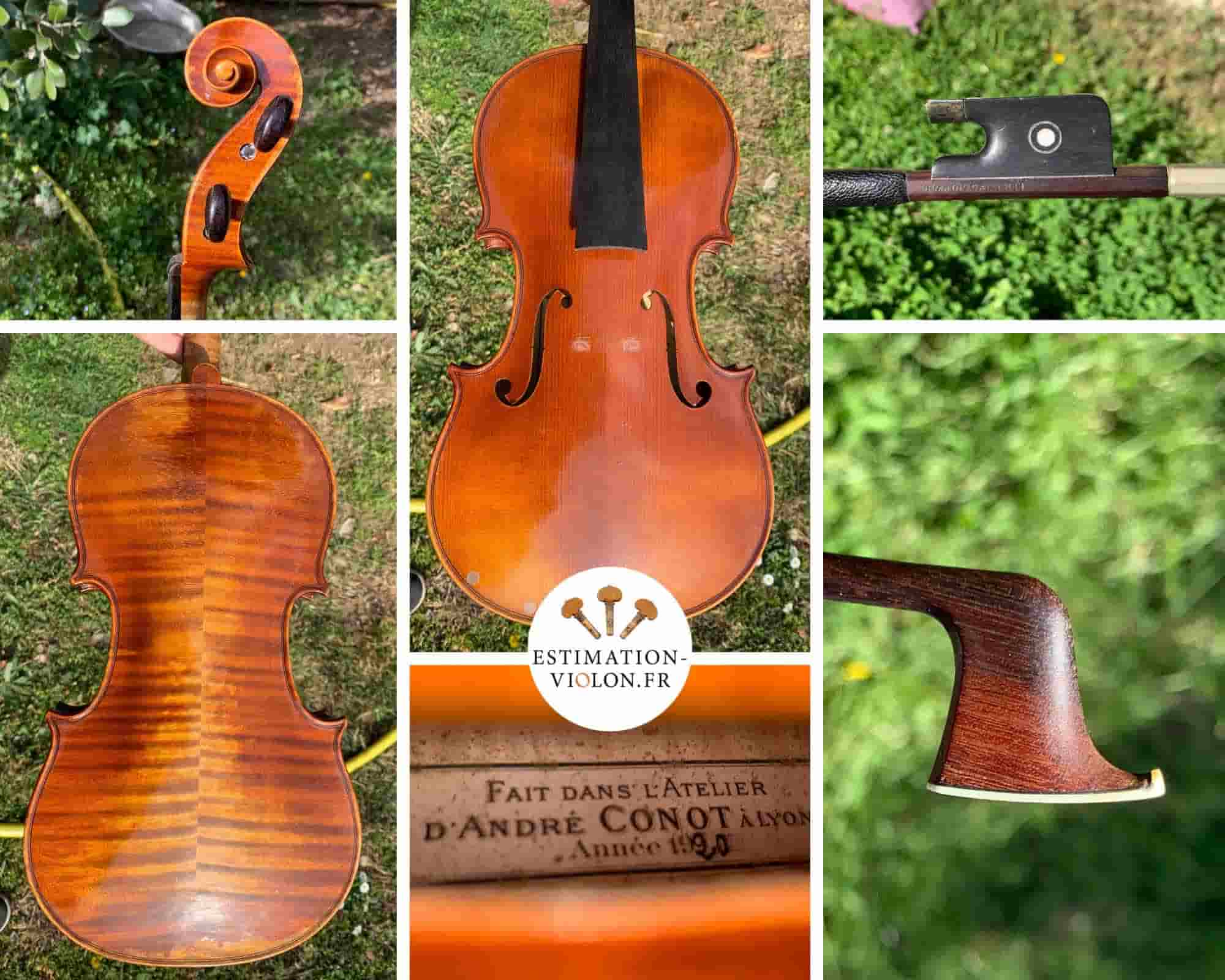
Naturally, the first thing that comes to mind when finding an antique violin is to look at its label. However, countless antique violins bear a Stradivarius label without actually being one…
Imitations of the original label were made throughout Europe from the 19th century onwards. The intention was not, it seems, to deceive, but rather these were made as a tribute to the luthier and sometimes even to a specific violin. The label would then indicate that the violin was made “in the manner of” Stradivarius.
Copied, falsified or “in the manner of” labels are called apocryphal. Here are some examples:

How to recognise a Stradivarius?
There are several ways to distinguish a genuine Stradivarius from a copy:
- Most imitations bear a label printed in the language of their country of origin (French, English, German, Czech…), but apocryphal labels are systematically misleading as they copy the originals; on the other hand, mentions such as “fait par” (“made by”) or “made in” clearly indicate that it is a copy.
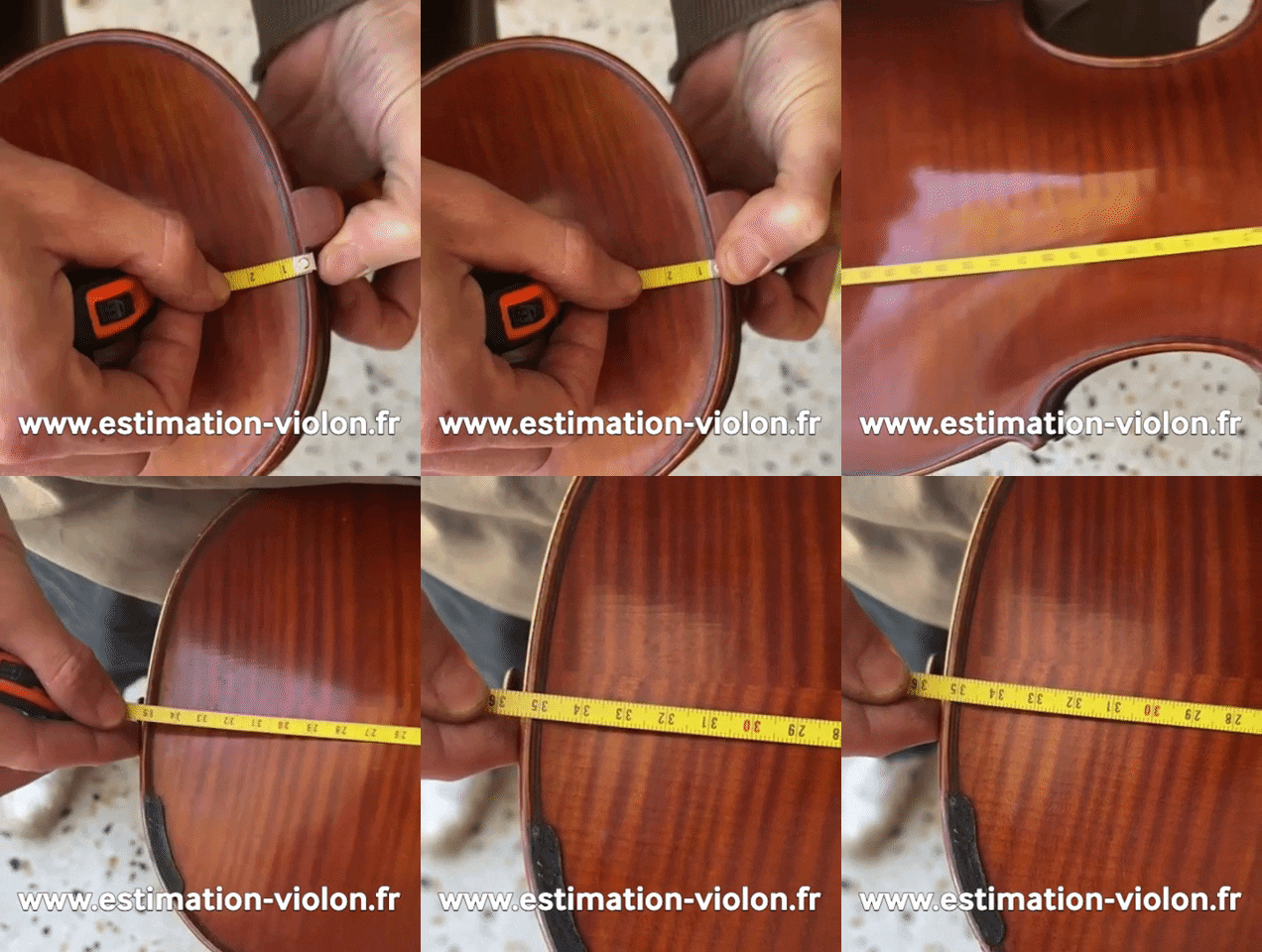
- Conduct thorough investigation and analysis: carefully observe the quality of the workmanship, tool marks, the period of the violin, the type of varnish used, have dendrochronology (dating) carried out on the wood, the dimensions of the instrument, its history, as well as its other maker’s marks. For example: a unique varnish and meticulous finishing details are often revealing of a Stradivarius’s authenticity, though these details can also be copied.
- Have your violin appraised or assessed by a professional: this is the safest way to authenticate a musical instrument, as only an assessment carried out by a competent expert can confirm or rule out authenticity with precision.
However, without wishing to discourage your treasure-hunting instincts, it remains highly unlikely that you will still find an example by the master Stradivari in an attic.
Stradivarius violins are not the only instruments to have been counterfeited in very large numbers. The same is true for Guarnerius, Amati, Maggini, Vuillaume, Stainer, Klotz, etc.
On the other hand, Stradivarius or not, it may be worth having the price of your musical instrument appraised. If you would like to know the value of your violin, we invite you to fill out this form. We will get back to you as soon as possible.