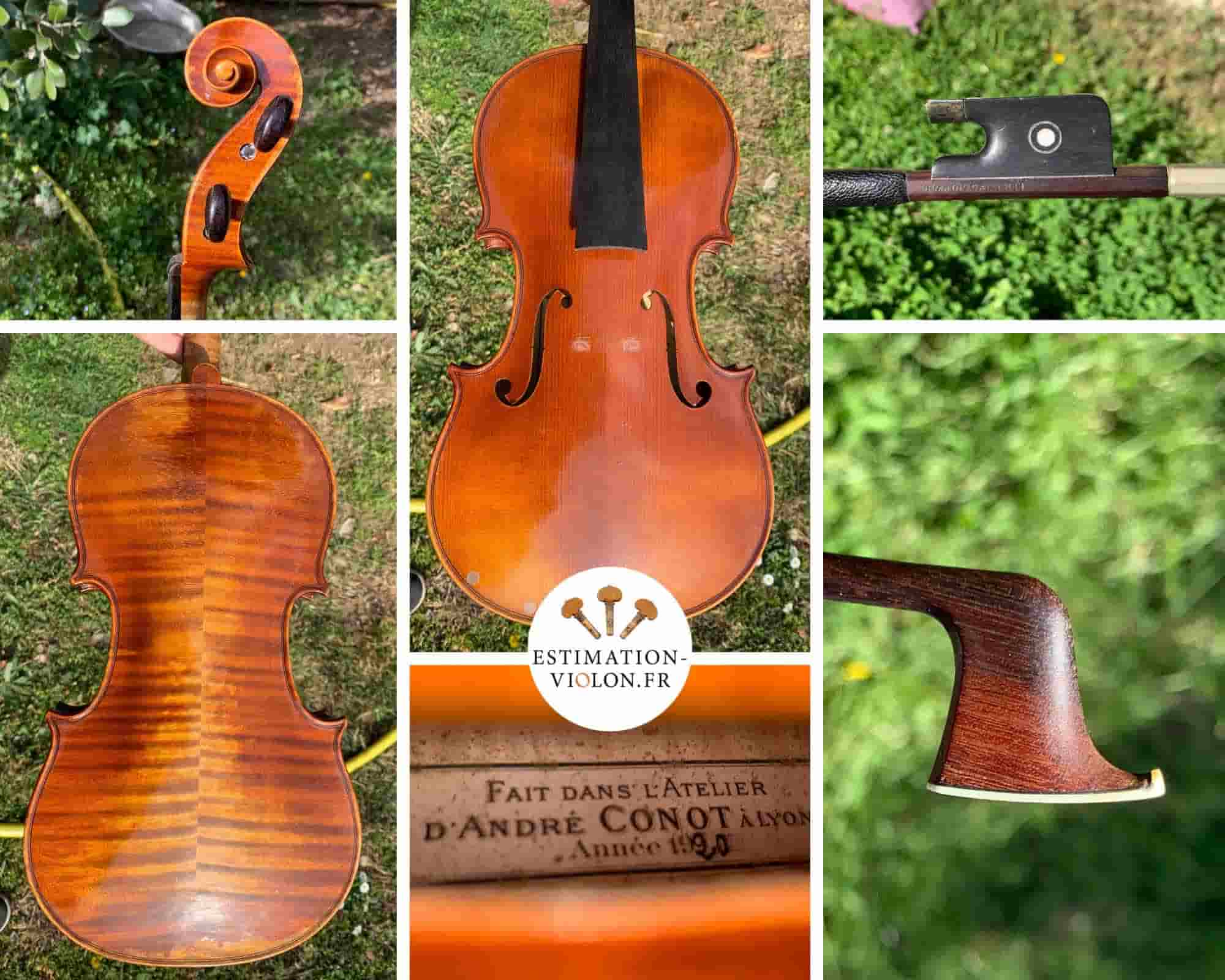
Many people contact us for an appraisal of their violin, convinced they own an instrument of great value, dazzled by a Stradivarius, Guarnerius, Amati or Vuillaume label. But the history of this art is full of other figures who shaped violin making as we know it today.
The history of violin making
The violin first appeared in Italy in the 16th century in Lombardy (in the towns of Cremona and Brescia).
More than 300 years ago, Amati, Stradivari and Guarneri made violins, violas and cellos of unmatched quality in their workshops in Cremona.
These master luthiers perfected every detail: millimetre-precise curves, hand-worked varnishes and playing qualities that make their violins unique. They laid the foundations of an exceptional craft, passed down from generation to generation.
Their influence and renown were such that they led many luthiers to copy their models and try to reproduce these instruments with exceptional sound. Some did so by copying the masters’ work and falsifying their labels and signatures; these are referred to as forgers. Others chose to reuse their labels not to deceive their customers, but rather to pay tribute to the masters. This is how thousands of instruments came to bear a Stradivarius label, or “model after Stradivarius”, or “copy of Stradivarius”; these are known as “apocryphal” labels (read our article on Stradivarius violins).
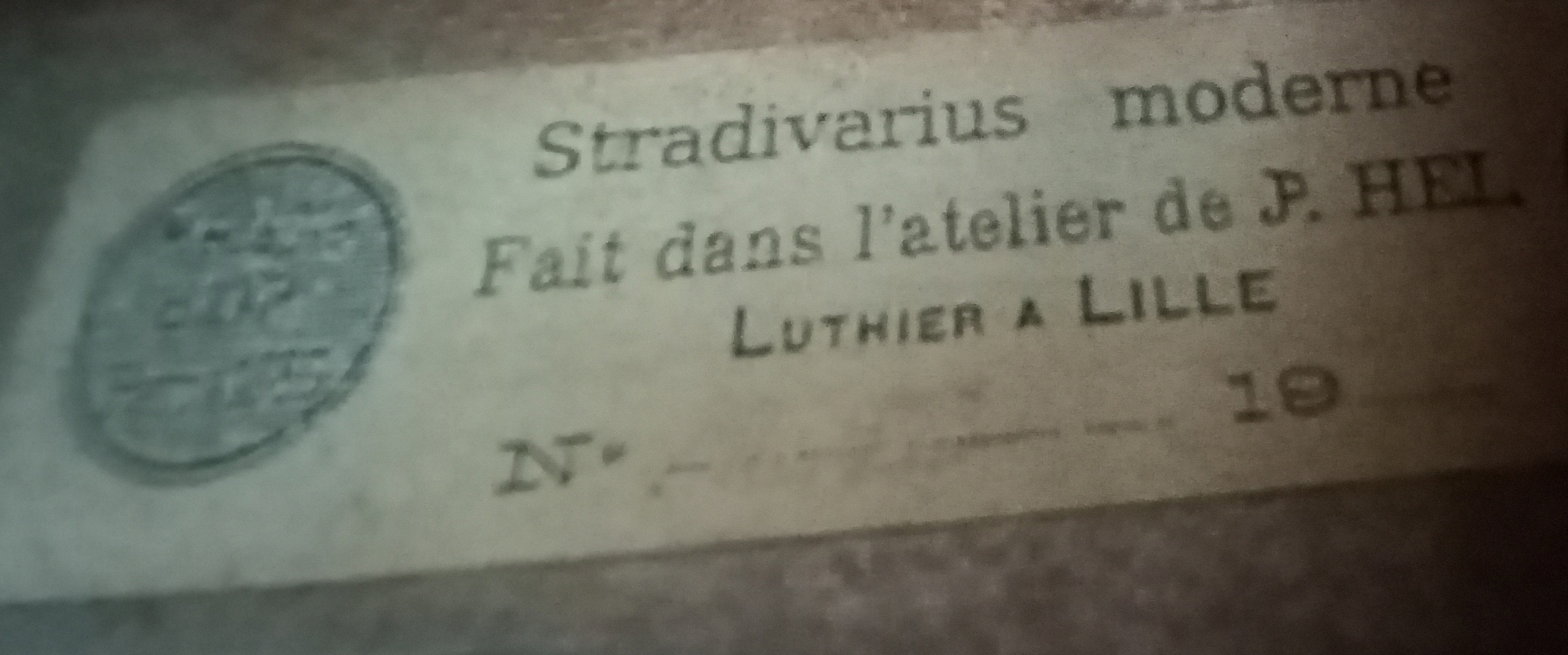
In the 17th century, violin making spread across Europe, notably to France (in Mirecourt, in the Vosges) and Germany (in Markneukirchen, in the Vogtland). Several major violin-making centres began marketing all sorts of instruments with “apocryphal” (i.e. false) labels. These instruments thus bear a great name from the history of violin making.
Mirecourt and the rise of French violin making
17th century – The beginnings of Mirecourt violin making
The earliest traces of violin making in Mirecourt date back to the early 17th century, in 1602.
In 1673, Mirecourt counted four families of luthiers, but it was not until 1698 that the activity developed thanks to an order for instruments from the Court of Lorraine. It was not until the end of the numerous wars waged by France, up to 1697, and the end of the plague epidemics that violin making was able to pick up again.
Violin making was recognised as a trade in 1732 thanks to the Charter signed by Duchess Elisabeth-Charlotte of Lorraine. Violin making now had established rules regarding transmission of the craft, marketing methods, etc.
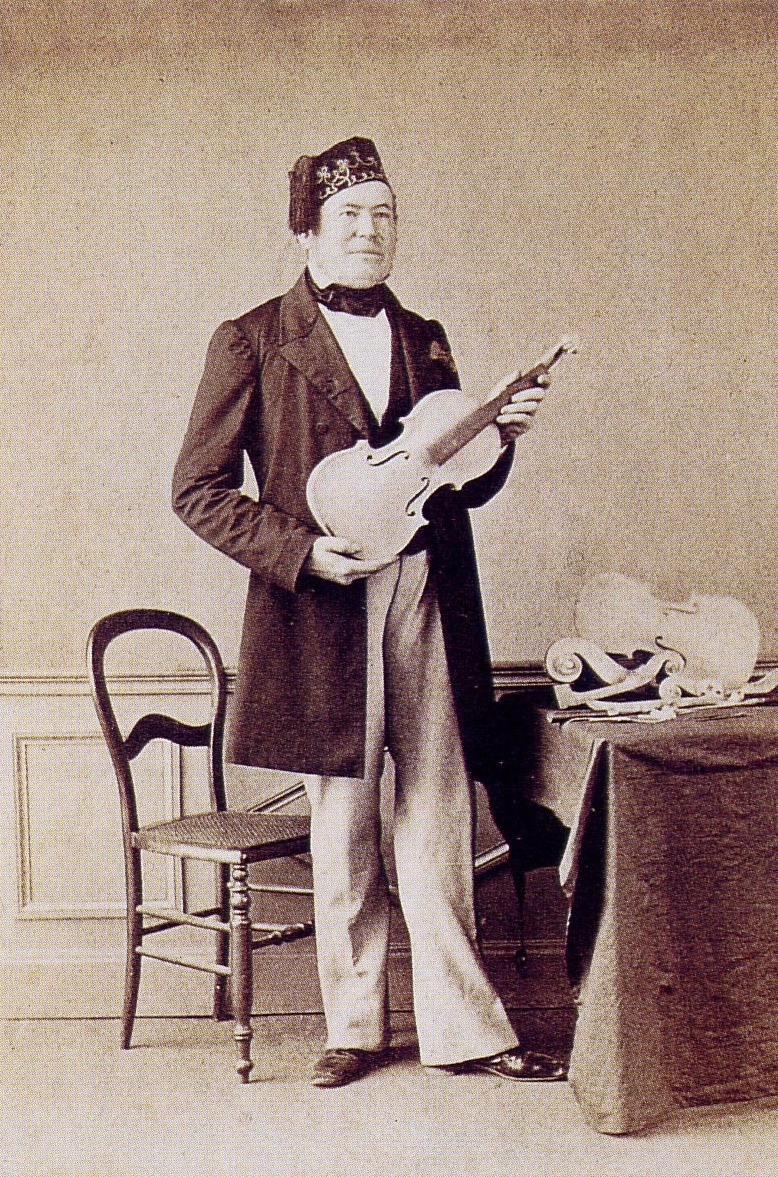
In the 18th century, luthiers from Mirecourt (such as the famous Jean-Baptiste Vuillaume) left the town and settled in Paris, where they contributed to the growth and renown of French violin making.
19th century – Inventions and industrial growth
In the 19th century, violin making was at its peak. Luthiers showed great creative energy both in Mirecourt and in Paris; they took part in world fairs and filed numerous patents for models, techniques or tools.
The luthier Didier Nicolas (Mirecourt, 1757–1833) was the first to take part in the 1802 World Fair. Following him, Mirecourt luthiers exhibited at the 15 world fairs of the 19th century and received awards, such as Georges Chanot with his violin-guitars (invented by his brother, François Chanot), or Jean-Baptiste Vuillaume with the octobass he built for Hector Berlioz.
It was also Didier Nicolas who developed the industrialisation of violin making, with workshops employing not only workers but also many subcontractors, working from their homes in Mirecourt or in the surrounding villages.
From 1857, the Thibouville-Lamy and Laberte companies developed in Mirecourt. Production increased, diversified, and production costs fell, notably thanks to the mechanisation of certain manufacturing stages (such as the moulding of tops and backs). By the end of the 19th century, the entire Mirecourt instrument-making trade (violin making, bow making, organ and piano making, as well as accessories and tools) employed around 800 people across the various workshops and factories that had developed.
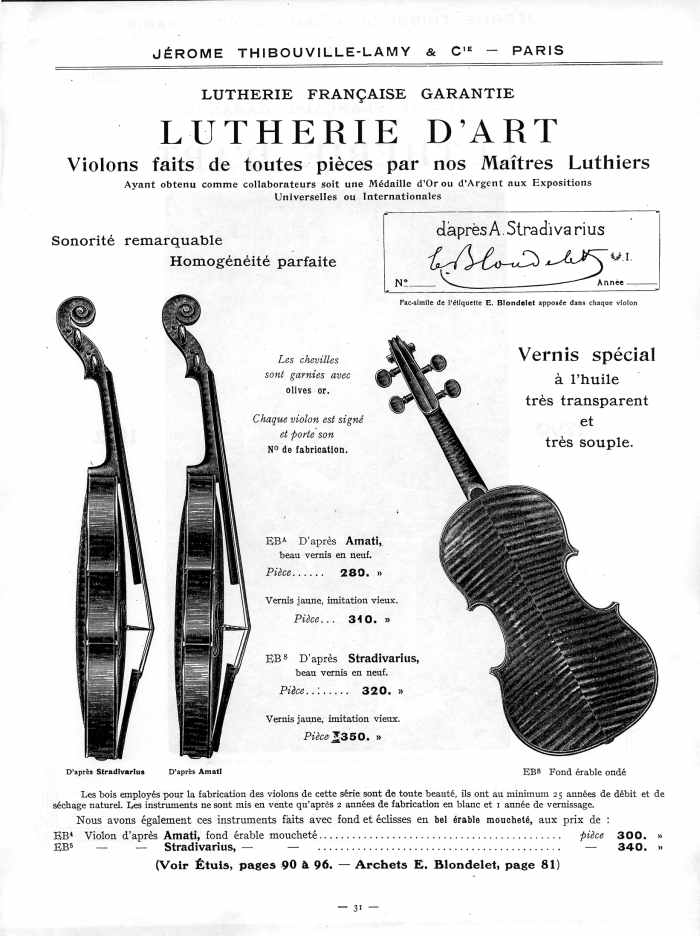
Even today, apprentice luthiers come from all over the world to train at the École de Mirecourt (the only French school offering a Diplôme des Métiers d’Art) and to learn a trade that requires patience, precision and passion.
Who are the greatest Italian master luthiers?
- Antonius Stradivarius (Cremona): “1644-1737”
- Guarneri family (Cremona, Venice, Mantua): several members active from the 17th to the 18th century, notably Giuseppe Guarneri “Del Gesù”: “1698-1744”
- AMATI family (Cremona): several members active from the 16th to the 17th century, notably Nicolò Amati: “1596-1684”
- Carlo Bergonzi (Cremona): “1683-1747”
- Giovanni Paolo Maggini (Brescia): “1580-1630”
- Joannes Baptista Guadagnini (Parma / Milan / Turin): “1711-1786”
- Gasparo Da Salò (Brescia): “1540-1609”
- Sanctus Seraphin (Venice): “1699-1776”
- Domenico Montagnana (Venice): “1686-1750”
- Matteo Goffriller (Venice): “1659-1742”
- Giovanni Francesco Pressenda (Turin): “1777-1854”
- Carlo Giuseppe Testore (Milan): “1665-1716”
- Carlo Antonio Testore (Milan): “1687-1765”
- David Tecchler (Rome): “1666-1748”
- Gagliano family (Naples): several members active from the 17th to the 19th century, notably Alessandro Gagliano: “1640-1725”
- Rugeri family (Cremona): several members active from the 17th to the 18th century, notably Francesco Rugeri: “1628-1698”
- Lorenzo Storioni (Cremona): “1744-1816”
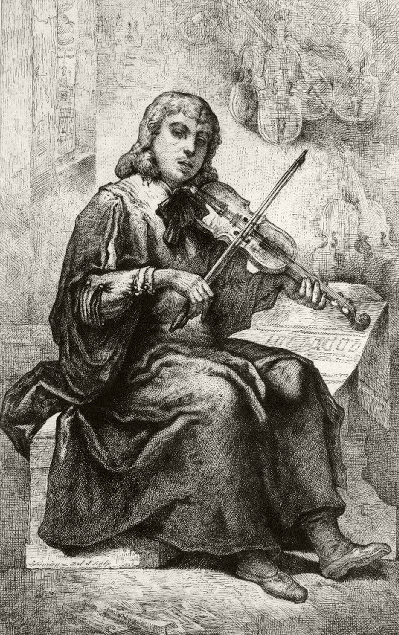
Who are the greatest French master luthiers?
- Jean-Baptiste Vuillaume: “1798-1875”
- Nicolas Lupot: “1758-1824”
- François Louis Pique: “1758-1822”
- Sébastien Bernardel: “1802-1870”
- Chanot family: several members active in the 19th century, notably Georges Chanot: “1801-1883”
- Charles François Gand: “1787-1845”
- Claude Pierray: active from 1700 until his death in 1729.
- Jacques Boquay: “1680-1730”
- Pierre Silvestre: “1801-1859”
- Nicolas Vuillaume: “1802-1876”
- Jacques Pierre Thibout: “1779-1856”
- Jean-François Aldric: “1765-1843”
- Médard family: several members active in the 17th and early 18th century
- Claude Augustin Miremont: “1827-1887”
- Pierre Pacherele: “1803-1871”
- Schwartz brothers: Georges Frédéric, bow maker (1785-1849); Théophile Guillaume, luthier (1767-1861)
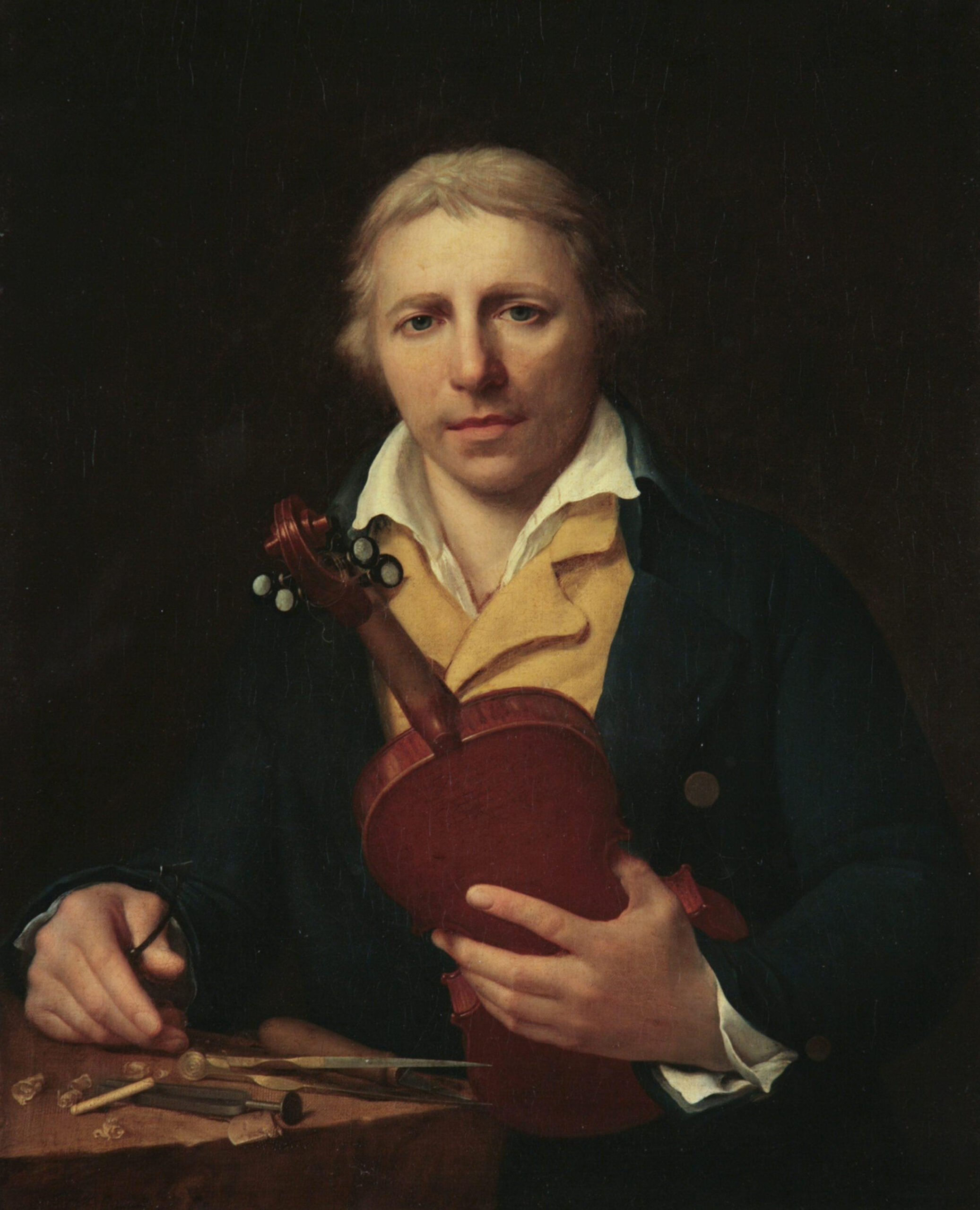
Who are the (other) great European master luthiers?
- Jakobus Stainer (Absam, Austria): “1619-1683”
- Vincenzo Trusiano Panormo (Italy, France, England): “1734-1813”
- Klotz family (Mittenwald, Germany): several members active from the 17th to the 18th century, notably Matthias Klotz: “1653-1743”
The list above includes the greatest luthiers in history, who made some of the violins that are among the most highly valued today. But the fact that your instrument was not made by one of these masters does not mean it has no value!
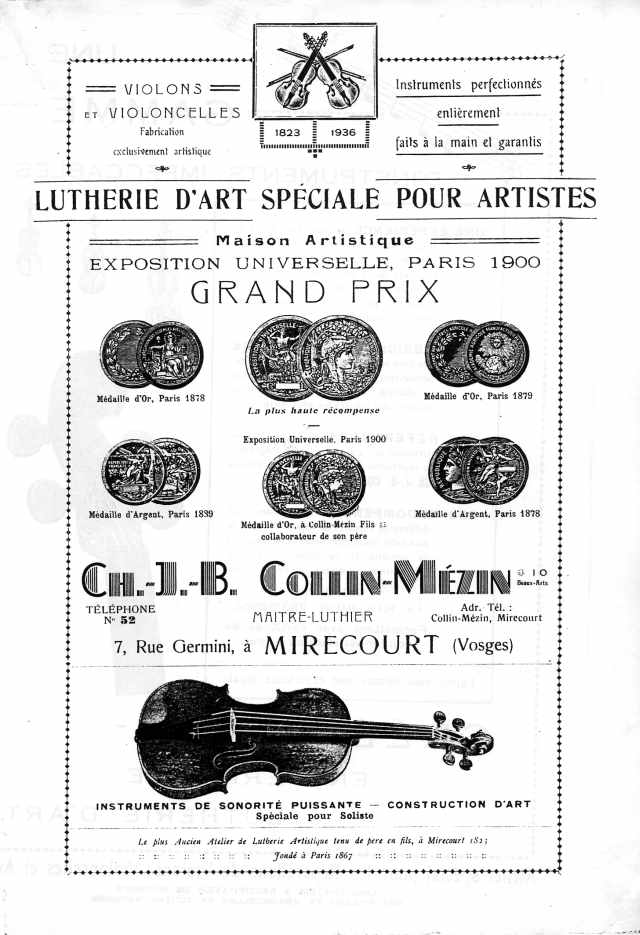
Countless instruments from less prestigious workshops can be valued at several thousand euros. In France, in Paris or Mirecourt, many very good quality violins were made. We find, among others, Collin-Mézin, Gand and Bernardel, Caressa and Français, Emile Germain, Laberte-Humbert, Couesnon, Amédée Dieudonné, Paul Mangenot, Roger and Max Millant, François Caussin, Paul Blanchard, Honoré Derazey, Jules Grandjon, Jules Lavest, Charles Gaillard, Jérôme Thibouville Lamy, Léon Mougenot, Sylvestre and Maucotel, Charles Brugère, Moinel & Cherpitel, Victor Joseph Charotte and Georges Apparut, Auguste Deroux, Charles Buthod, Pierre Hel, Emile Mennesson…
Do you own an antique violin and wish to sell it? Discover how to recognise a valuable instrument and get the best price for it.
But the story doesn’t end there. Even today, exceptional luthiers carry on this art.
Who are the most renowned contemporary luthiers?
- David Burgess: Ann Arbor, United States.
- Frédéric Chaudière: Montpellier, France.
- Joseph Curtin: Ann Arbor, United States.
- Michael Darnton: Chicago, United States.
- John Dilworth: Oxford, United Kingdom.
- Cristiano Ferrazzi: Verona, Italy.
- Jacques Français: Paris, France, and New York, United States.
- Giorgio Grisales: Cremona, Italy.
- Andreas Hudelmayer: London, United Kingdom.
- Frank Ravatin: Vannes, France.
- Roberto Regazzi: Bologna, Italy.
- Patrick Robin: Angers, France.
- Andrew Ryan: Providence, Rhode Island, United States.
- Jan Špidlen: Prague, Czech Republic.
- Stephan von Baehr: Paris, France.
- Samuel Zygmuntowicz: New York, United States.
As you will have understood, the label found inside a violin or a cello does not guarantee its authenticity. This is why it is important to call on a professional in quartet instruments to determine the origin and authenticity of your violin or bow.
You can, via our form, obtain a free appraisal of your violin or your bow.